


Driving Advice for the Monsoon During the rainy season, road waterlogging is a frequent issue. In such a scenario, it is essential to adhere to several crucial driving safety guidelines. Steer clear of regions that are wet. Keep your speed steady and be aware of your car’s water penetration capacity. Use caution lights as necessary and turn off the air conditioner. Maintain the proper tire air pressure.
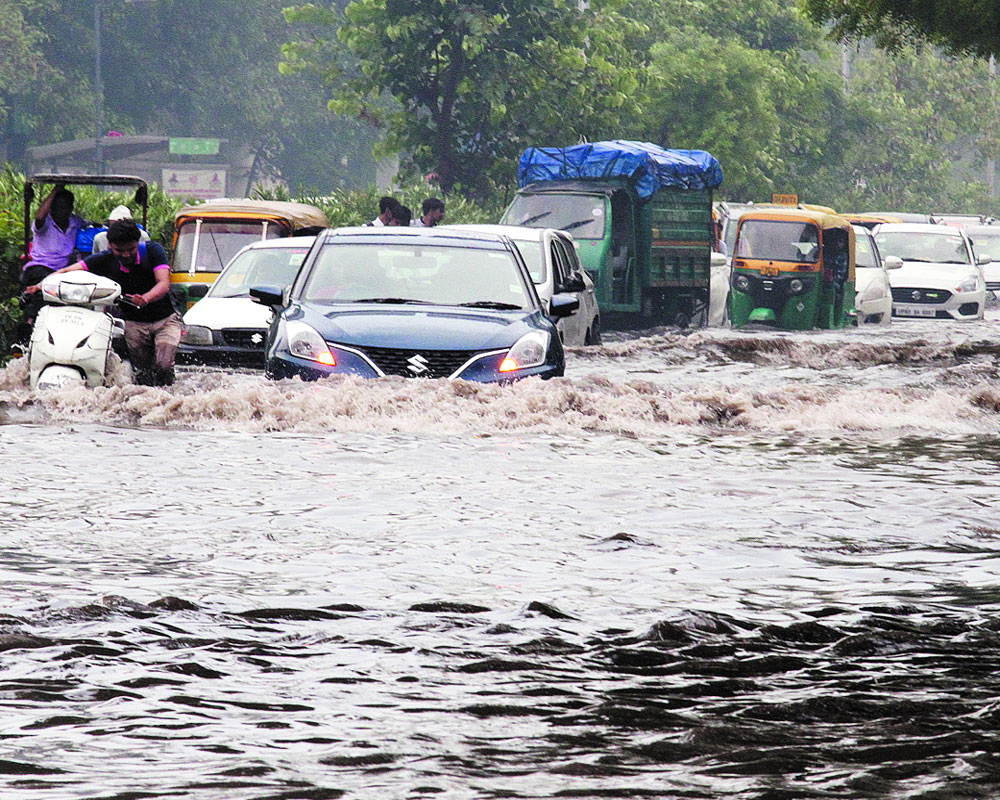
Rain has fallen in a number of Indian states. At the same time, numerous states have had so much rain that the highways are flooded. It is now challenging for cars to travel on the roads since they are so flooded. However, operating a vehicle in such conditions might seriously harm the vehicle. In light of this, we are providing you with some crucial advice that will enable you to drive safely during the rainy season.
1. Stay away from waterlogged roads
You should choose a different route if you see a section of the road is flooded. Deep water can actually cause the engine to hydrostatically lock, which can be quite expensive to fix.
2. How deep can it go
The depth of the water your car can go into must be known. Vehicles in the SUV sector can descend as far as 500–600 mm, while vehicles in the hatchback and sedan segments can descend as far as about 300 mm.
3. Turn off the AC
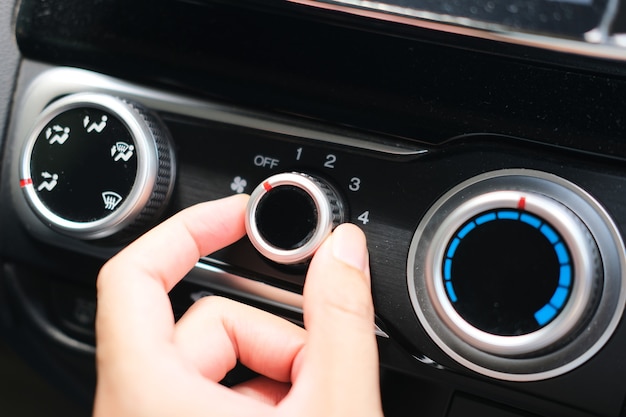
Turning off the air conditioner when traversing a wet road lessens the strain on the engine. Additionally, to avoid fogging up the automobile, keep the windows slightly open.
4. Drive the car at the same speed
If you must drive across a road that is flooded, maintain a steady speed. Cross it slowly while keeping it in first gear. Maintain a steady engine pressure throughout this. Steer clear of abrupt braking or speeding up. Water may enter the engine as a result of this.
5. Do not start the engine submerged in water
Do not attempt to start your vehicle if it becomes submerged in water. Parts of an engine can be damaged if it is started while submerged in water.

6. Use hazard lights and fog lamps
When driving on wet roads or in severe rain, use fog lamps and danger lights. In actuality, there may not be much visibility in certain areas.
7. Dry the brakes of the car after coming out of the water
Make sure the car’s brakes are dry after crossing a wet road. This will guarantee that the braking capability stays unchanged.
8. Keep the air pressure in the tyres correct
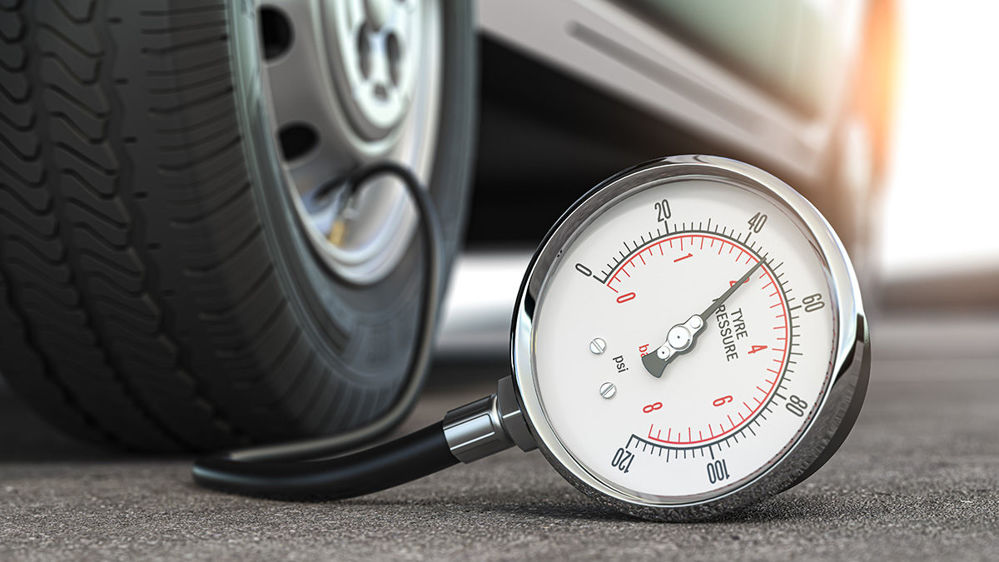
Low air pressure tires make aquaplaning more likely. On wet surfaces, low air pressure results in a loss of control and grip.
9. Get monsoon-proof accessories
Use door visors, waterproof car seat coverings, and rubber floor mats to keep the interior of your car dry. You should definitely cover the automobile if you park it outside.
10. Get the electrical system serviced
The car’s electrical system may experience issues as a result of moisture. Therefore, you should have the wiring, fuse, battery, and lights tested once before the rainy season to make sure everything is functioning as it should. For the car’s underbody protection, you can also have an anti-rust coating applied.
Read More: No Test, No Machine: Just a Selfie for Your Health Report with New AI Tech
|
|
 Facebook Page Facebook Page |
Click Here |
| Twitter |
Click Here |
| Instagram |
Click Here |