

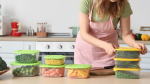
These days, microplastics are incorporated into food products and end up in our bodies. Despite being invisible, these tiny plastic particles can be harmful to one’s health.
Kitchenware Containing Microplastics: In the contemporary kitchen, plastic usage has significantly increased. Plastic is used in a lot of kitchen items. Almost everything is kept in plastic containers, including food and water bottles. Despite its seemingly harmless appearance, this plastic is slowly dissolving in our blood and becoming poison.
These microscopic particles, known as microplastics, harm the liver and kidneys and have the potential to cause cancer. One should take these five things out of the kitchen right away in such a circumstance.
Are there really microplastics in the kitchen?
In a study that was published in the Proceedings of the National Academy of Sciences, Columbia University researchers discovered that a one-liter plastic water bottle contains 240,000 nanoplastics. Microplastics can also originate in our kitchens, where food is cooked, according to a 2024 study that was published in the journal Science of the Total Environment.
These 5 kitchen items contain microplastics
-
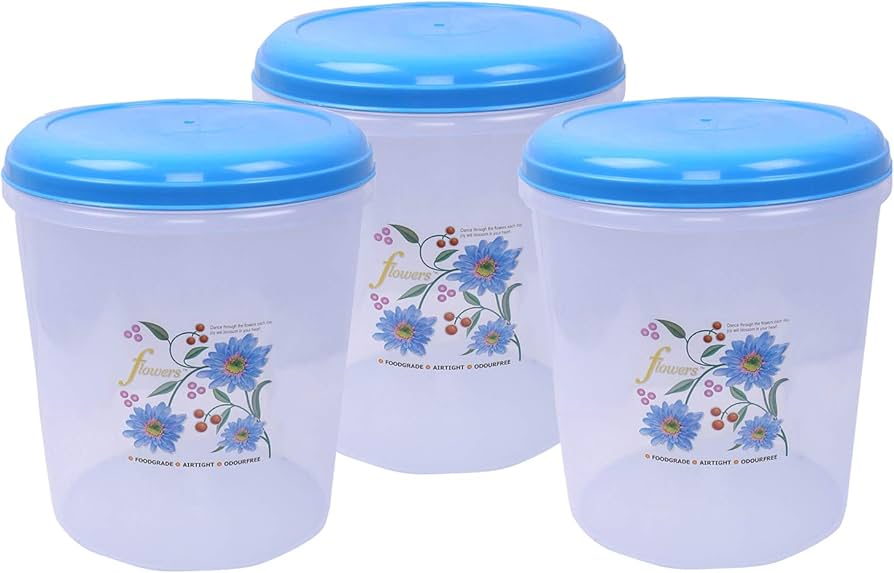
Plastic Containers
In our homes, plastic water bottles and containers are commonplace. Microplastic particles are generated when hot food or beverages are stored in plastic containers, contaminate the meal, and enter the body. Thus, use containers made of glass, steel, or ceramic. Steer clear of using plastic utensils to hold hot food.
-
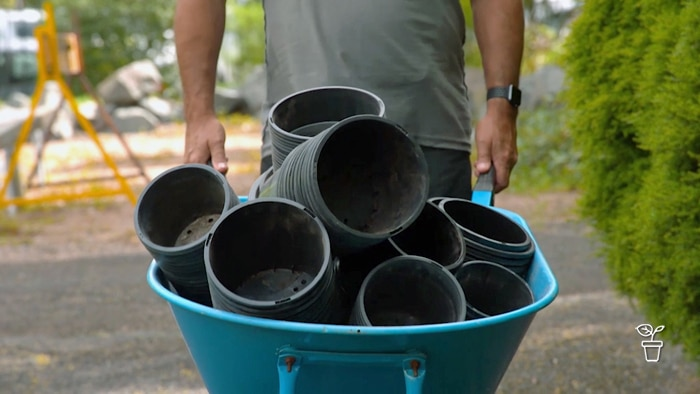
Old plastic pots
Microplastics can enter the body more quickly through plastic containers. Lusher and colleagues from the UK and Norway made jelly in either new or used plastic containers for the 2024 study. After heating water, they agitated the jelly mixture, gathered it, let it to cool, and then sliced it into pieces. The jelly made with old plastic containers included almost 16 microplastic particles per sample, compared to about 9 in the jelly made with modern plastic containers.
Compared to jelly manufactured from new plastic containers, jelly made from used containers had 78 percent more microplastics. Glass containers, ceramic cookware, iron, and stainless steel are therefore the finest options. Old non-stick cookware and Teflon should also be avoided.
-
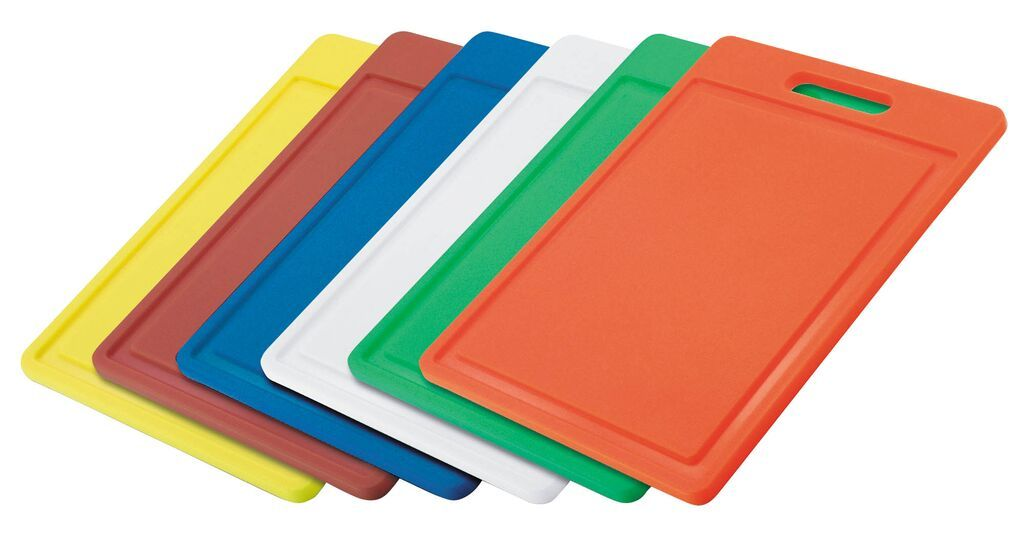
Chopping Board
Microplastics can be found in large quantities on plastic cutting boards. According to research, using a plastic cutting board to cut food—particularly meat—can introduce 196 microplastic particles into the dish. The friction between the plastic and the knife is the cause of this. Start using cutting boards made of bamboo or wood to avoid this.
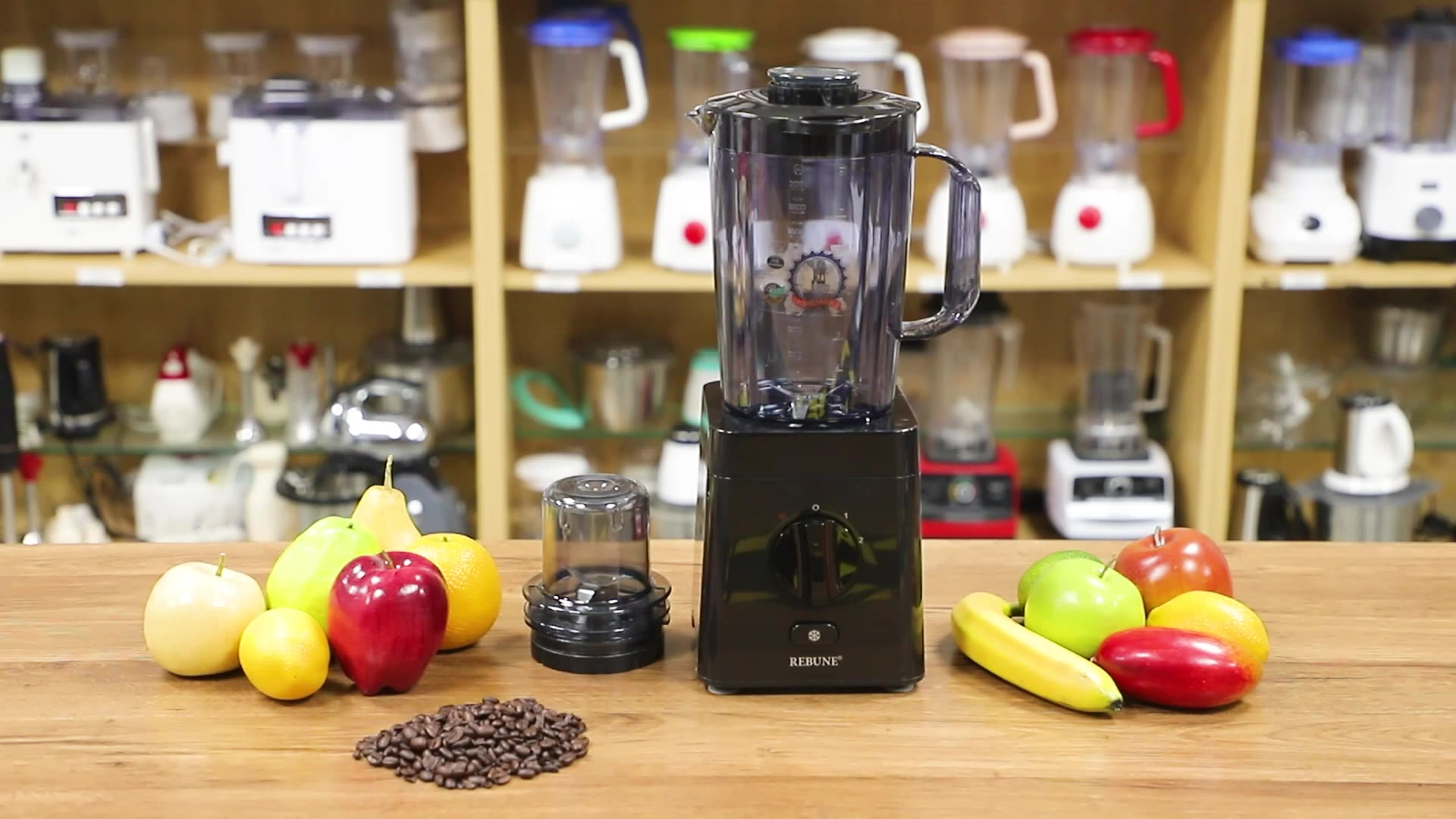
4. Blender with Plastic Jar
Friction from using a blender with a plastic container can create a significant release of microplastics. In just 30 seconds of blending, billions of plastic particles are discharged, according to a study published in the Journal of Hazardous Materials. This is particularly concerning when creating frozen drinks or smoothies, which need for solid food or ice. Therefore, rather than using a plastic blender, use one with a glass jar.
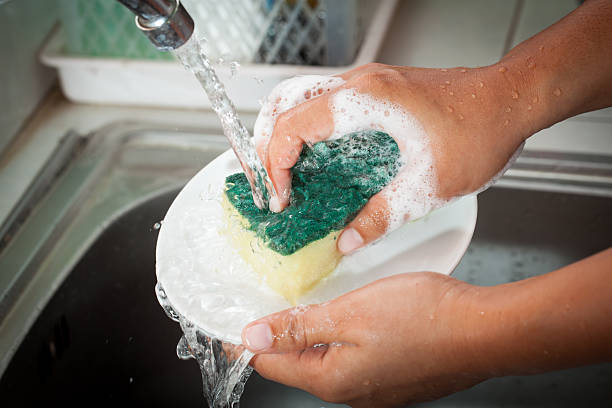
5. Dishwashing Sponge
Read More: –Asia Cup 2025: Rajgir to Host! MoU Signed Between Hockey India & BSSA

|
|
 Facebook Page Facebook Page |
Click Here |
| Twitter |
Click Here |
| Instagram |
Click Here |