


What Is Cloud Seeding? To combat pollution, the Delhi government intends to test artificial rain. Let’s learn more about cloud seeding, including its definition and potential costs.
After Diwali, the capital city of Delhi and the National Capital Region see worsening pollution levels. Rainfall is minimal or nonexistent throughout that period. It is quite difficult to deal with pollution in such a setting. For this reason, cloud seeding will be tested for the first time in Delhi to combat pollution by creating artificial rain.
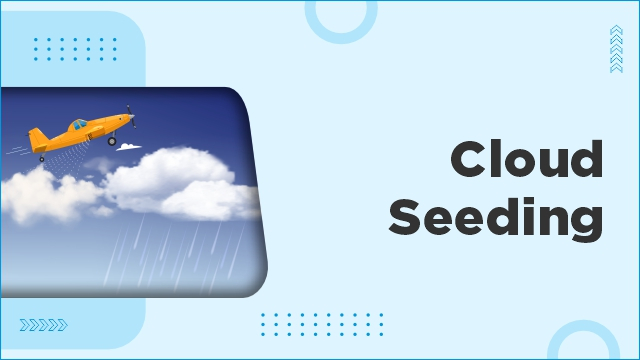
After the monsoon season concludes, the Delhi government will test cloud seeding, or artificial rain. It was originally scheduled for July 4–11, however it has since been rescheduled. Its primary goal is to lessen air pollution. It is also used by many nations, including the United States, China, and the United Arab Emirates.
What is cloud seeding?
One method of altering the weather is cloud seeding, which involves releasing silver iodide (AgI) into the atmosphere. This produces crystals of ice and makes clouds in the sky more capable of rain. In order to create artificial rain, silver iodide aids in the creation of ice nuclei in clouds.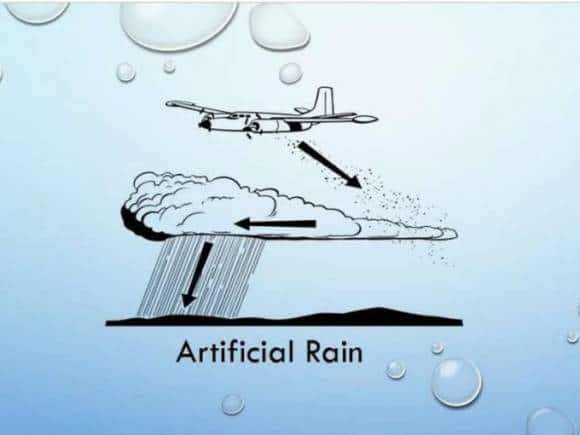
This procedure involves using airplanes or helicopters to disperse dry ice, potassium iodide, and silver iodide across the atmosphere. These substances draw in water vapor, which aids in the development of rain clouds. Usually, it takes half an hour to create rain using this method. Additionally, there are two methods for cloud seeding: glaciogenic cloud seeding and hygroscopic cloud seeding.
Difference between hygroscopic and glaciogenic cloud seeding
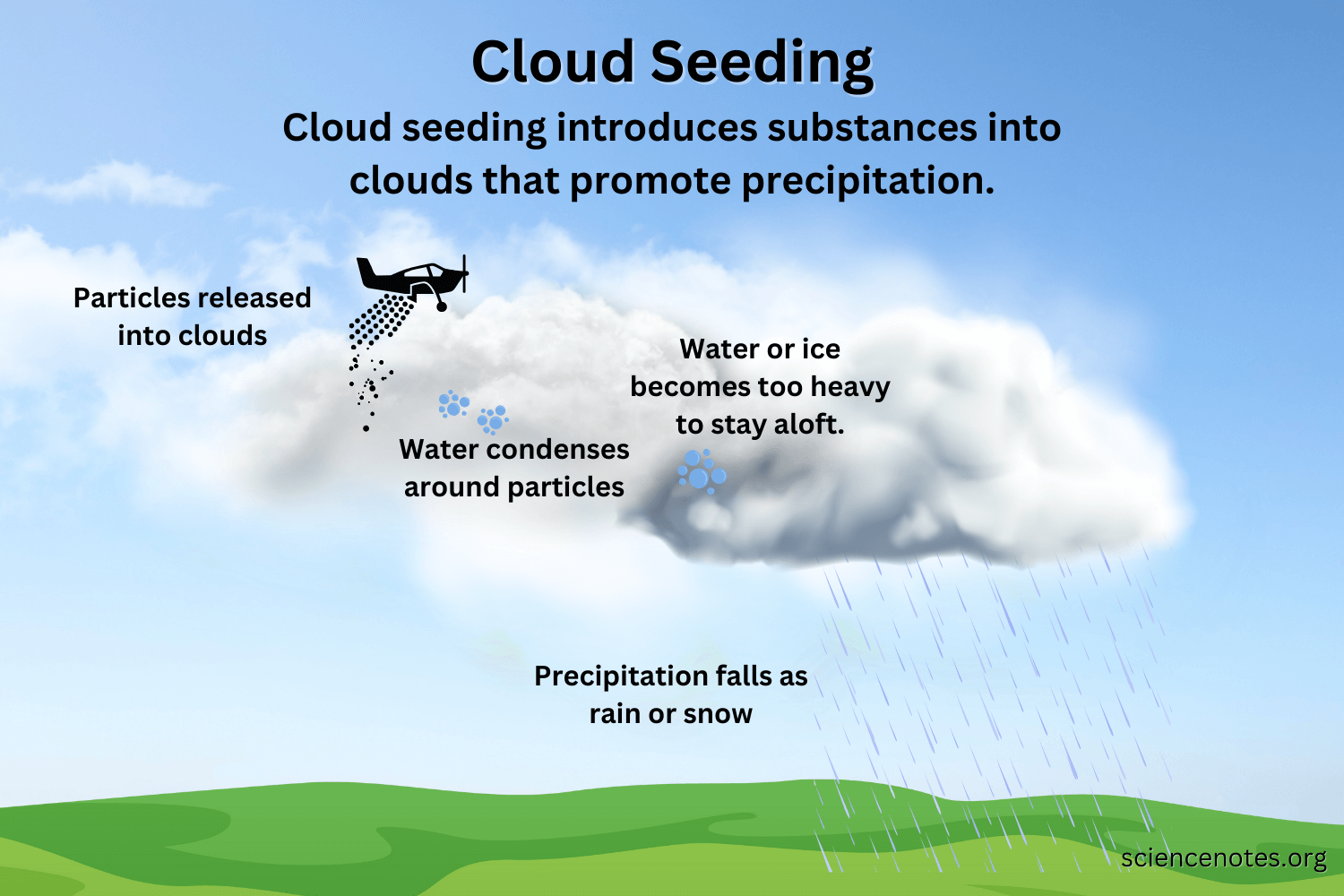
In a liquid cloud, the hygroscopic technique speeds up the blending of droplets, creating bigger droplets that ultimately result in precipitation. This often entails discharging salt particles at the cloud’s base. Spreading ice nuclei like dry ice or silver iodide into supercooled clouds is known as glaciogenic cloud seeding. These all cause the nucleation of ice and the precipitation that follows.
How expensive is cloud seeding?
Cloud seeding was previously planned in Delhi as well, but it was unsuccessful. The Directorate General of Civil Aviation (DGCA) has granted special authorization for this period. IIT Kanpur scientists have developed a formula for this, therefore the trial is proceeding quite smoothly. The project is expected to cost approximately Rs 3.21 crore. It might be a significant accomplishment for Delhi’s ecology and health if it succeeds.
Read More: Get Your UAN & Manage PF Easily – Quick Guide Inside
|
|
 Facebook Page Facebook Page |
Click Here |
| Twitter |
Click Here |
| Instagram |
Click Here |