


Using Windows features, a malicious piece of malware called Coyote is stealing your cryptocurrency and banking information. Brazil is its current goal, but it could soon spread over the world. Recognize the crucial precautions to prevent it.
Be cautious if you use cryptocurrencies or online banking! A dangerous new spyware has surfaced that steals wallet and banking information by utilizing Windows characteristics. This malware is called Coyote, and the cybersecurity company Akamai has warned about it.
What is the mechanism of Coyote Malware?
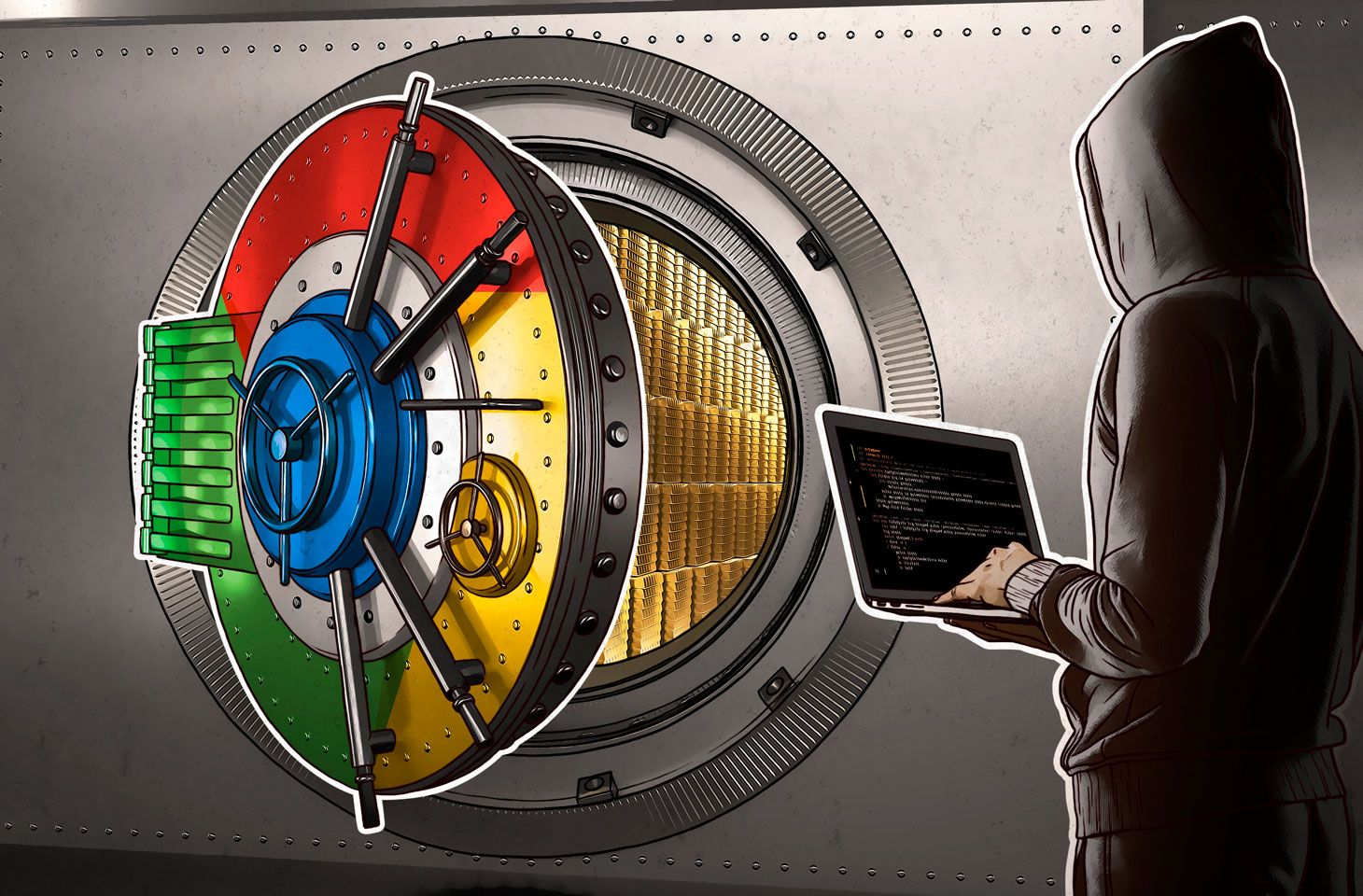
The Windows UI Automation Framework is used by the malware known as Coyote. Originally intended for disability tools, this feature allows malware to infiltrate your system and determine which websites you are viewing, particularly those related to your banking portal and cryptocurrency exchange. The following data is then taken from your system by Coyote:
The username
Name of computer
Complete system details
Which financial services do you use?
Cybercriminals can readily access all of this data since it is transmitted straight to the Command and Control (C2) server.
Which technology does it employ?
Coyote malware is incredibly intelligent and employs a variety of methods to steal your information.
Key logging: keeps track of what you type.
Phishing Overlay: This technique deceives you by using phony websites.
Squirrel Installer: Uses rogue or fraudulent software installs to hide itself.
The GetForegroundWindow API: detects the window that is now open and establishes whether or not you are on a banking website.
Brazil is currently the focus, but India is also at risk.
Although this malware’s effects have only been observed in Brazil, experts claim that cybercriminals frequently employ this tactic. The malware is first tested in a single nation before being used globally.
Digital wallets and online banking are widely used in India. Coyotes can pose a serious threat to India in such circumstances.
How can Coyote-like malware be avoided?
Update your system and software frequently; security fixes are included with every update. Users should always upgrade their software and operating system to the most recent version.
Get the greatest antivirus software installed. An effective and up-to-date antivirus program is crucial for detecting malware.
Be wary of unfamiliar links and emails: Avoid clicking on any links or attachments in dubious emails.
Activate two-factor authentication in your bank account. By doing this, your bank account will be further secured, and your personal information will be kept secure.
Read More: Mercury’s rise in 2025 alters sibling fortunes on Raksha Bandhan

|
|
 Facebook Page Facebook Page |
Click Here |
| Twitter |
Click Here |
| Instagram |
Click Here |