

Ras, a seasonal Ayurvedic cuisine from Uttarakhand, is a protein-rich horse gram soup that helps with digestion, strengthens immunity, and provides warmth throughout the winter months.
Rooted in the environment, community, and the simplicity of the land, Pahadi food is a silent wonder. Every dish, from the tang of bhang chutney to the nutty warmth of mandua roti, embodies the wisdom of unhurried living and the rhythm of the hills. Pahadi cuisine is distinctive due to its use of resilient, regional ingredients such as pulses, wild greens, and millets, as well as cooking methods that put an emphasis on sustainability, warmth, and digestion. There isn’t much fancy food in the highlands. Rather, it is quite useful. The pahadi plate also changes with the seasons.
Pahadi Ras, a protein-rich broth prepared from kulthi dal (horse gram), is one dish that perfectly captures this shift. Ras takes front stage in Uttarakhandi kitchens when the monsoon clouds dissipate and winter starts to loom. It has a long history in Ayurveda and is warming and therapeutic.
Describe Pahadi Ras.
Kulthi dal, a pulse valued for its warming properties and high protein content, is used to make Pahadi Ras, a traditional lentil soup from the Garhwal and Kumaon regions. Ras, which can be poured over rice or sipped like soup, is the highlight of the meal in contrast to ordinary dals.
Roasted horse gram with a smoky tempering of mustard oil, garlic, and jakhya—wild mustard seeds indigenous to Uttarakhand—give it its distinctive depth. The end product is a flavorful and nutritious thick, earthy, and somewhat acidic broth.
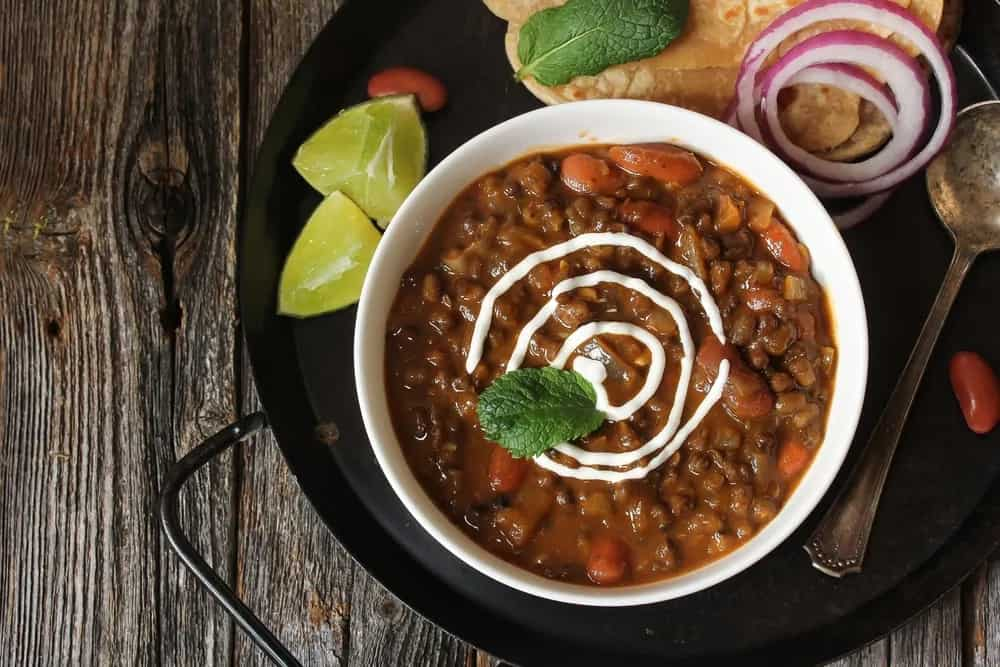
Components That Set Ras Apart:
The way each component contributes to the bowl’s creation is what really sets Ras apart.
1. Horse gram, or kulthi dal:
After being soaked overnight, this resilient, high-protein pulse is cooked slowly until it solidifies into an earthy, starchy base. Ras’s nutty flavor and thick texture provide depth and sustenance, making it the essence of the fruit.
2. Garlic
Garlic, crushed and tempered to emit a strong warmth, adds a smoky undertone to the broth that is both soothing and therapeutic. It is particularly beneficial during seasonal changes and acts as a natural immunity booster and digestive help.
3. Jakhya
These small wild mustard seeds add a unique crunch and nuttiness that is difficult to duplicate when they crackle in heated oil. Their delicate sharpness gives the dish a touch of regional identity while balancing the dal’s richness.
4. Mustard oil:
Mustard oil is warming, strong, and carries the tempering wonderfully, adding peppery heat to every spoonful. For a softer, creamier finish, some households substitute ghee.
5. Salt and turmeric:
Salt aids in bringing out the natural flavor of the dal, while turmeric, which is added during the boiling stage, contributes its golden tint and anti-inflammatory qualities. When combined, they produce a basis that is lively and well-balanced.
6. Water
Ras is a soup, not a thick dal. A smooth, soup-like consistency that is perfect for pouring over rice or drinking on its own is produced by the copious use of water, which releases the starches.
7. Spices and herbs are optional:
The bowl can be brightened with a squeeze of lemon juice, and the herbal freshness of coriander is added. Stirring a pinch of hing into the tempering adds a stronger umami note and aids with digestion.
Read More: iPhone Contains Gold; Extracted For Jewelry

|
|
 Facebook Page Facebook Page |
Click Here |
| Twitter |
Click Here |
| Instagram |
Click Here |