


The most recent revision to the IRD regulations was made in June 2019. However, new products are now available on the market, and international corporations are now much more involved.
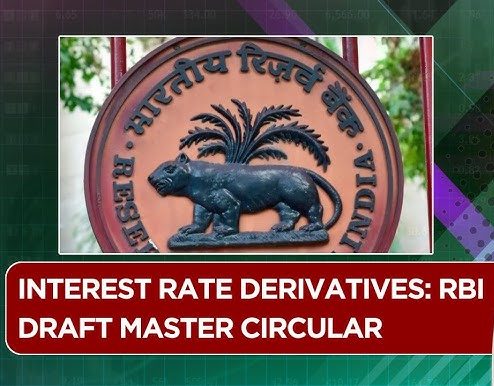
On Monday, the Reserve Bank of India (RBI) published a draft of revised regulations pertaining to Rupee Interest Rate Derivatives (IRD). Its goal is to modernize the current regulations in light of the shifting financial landscape and the growing involvement of international investors.

Preparations to revamp old rules
The most recent revision to the IRD regulations was made in June 2019. However, new products are now available on the market, and international corporations are now much more involved. In light of this, the RBI has thoroughly examined the regulations and created a new draft known as the Reserve Bank of India (Rupee Interest Rate Derivatives) Directions, 2025 Draft Master Direction.
What are IRD i.e. Interest Rate Derivatives?
These are financial agreements whose value is determined by interest-linked financial instruments, rupee interest rates, or interest rate indices. They are typically employed for market profit-making and risk-hedging.
Now foreign companies will also get big relief

The new proposal will allow foreign corporations (non-resident entities) to conduct IRD transactions through their group entity or central treasury. To avoid confusion, it is necessary for the organization that will deal on behalf of foreign investors to have the appropriate authorization.
The hassle of reporting will also be reduced
The RBI has made significant progress in simplifying the regulations. Market participants will now have a less compliance burden as a result of the simplification of the IRD transaction reporting process. In order to preserve systemic transparency, it is also suggested that IRD transactions conducted outside of India (internationally) be required to be reported.
Last date for sending suggestions: 7 July 2025
By July 7, 2025, RBI has asked banks, financial institutions, and all other IRD-related market participants to submit their comments and suggestions regarding this draft.
Why is this change important?
This action demonstrates the Indian central bank’s commitment to growing the financial sector in line with international norms. In addition to promoting international investment, this will give Indian businesses greater chances to control risk.
Read More: WhatsApp Ads Rolling Out, But Your Chats Stay Private: Assures Meta
|
|
 Facebook Page Facebook Page |
Click Here |
| Twitter |
Click Here |
| Instagram |
Click Here |