


Here’s a quick summary of the long-term health benefits and effects of both rice and roti if you’re unsure whether to eat at night.
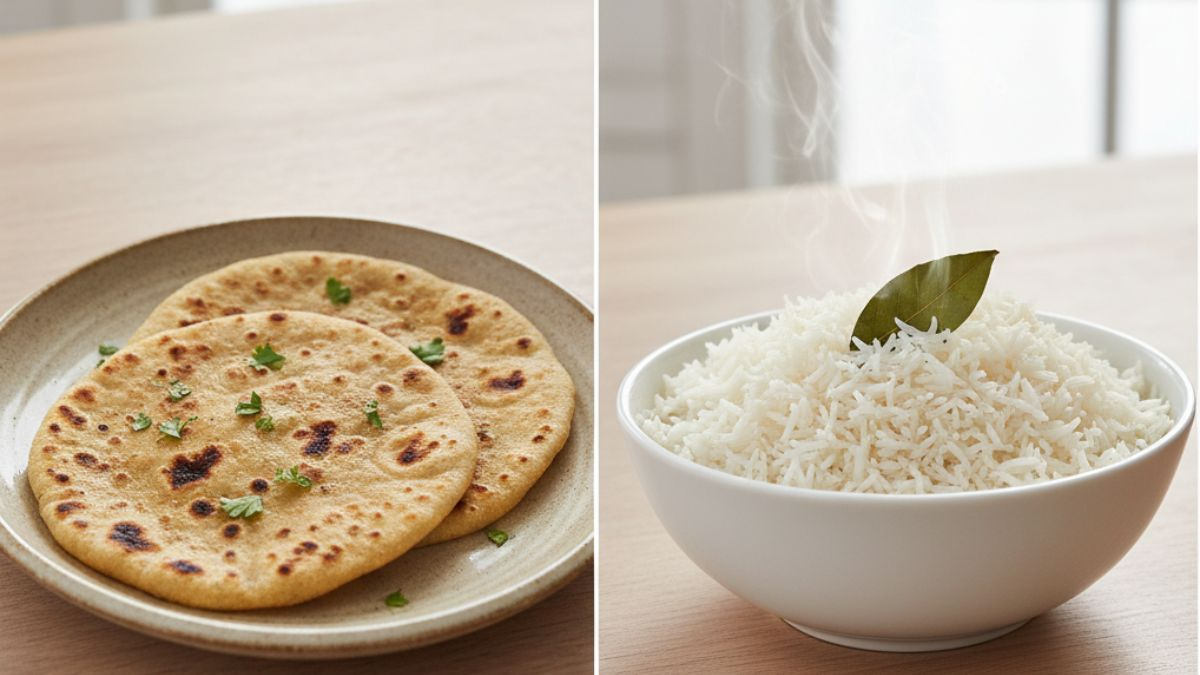
Typically, there are just two main options for dinner: rice or roti. Both are widely consumed, adaptable, and have a long history in Indian cooking. However, digestion becomes a top concern while organizing your final meal of the day. Eating a large meal can make you feel bloated, lethargic, or even disrupt your sleep schedule. For this reason, a lot of individuals wonder if eating rice or roti at night is preferable. Although they are equally high in carbohydrates, their fiber content, satiety, and pace of digestion vary. You may choose the foods that best fit your lifestyle and health objectives by being aware of how your body processes them.
Why Nighttime Digestion Is Important
Dinners that are heavy or complex may feel uncomfortable because metabolism normally slows down in the evening. It helps to eat lighter foods at night:
- Avoid acidity and bloating.
- Encourage sound sleep.
- Encourage improved absorption of nutrients.
- Prevent cravings in the middle of the night.
For this reason, when preparing dinner, the roti vs. rice argument frequently comes up.
The Impact of Roti on Nighttime Digestion
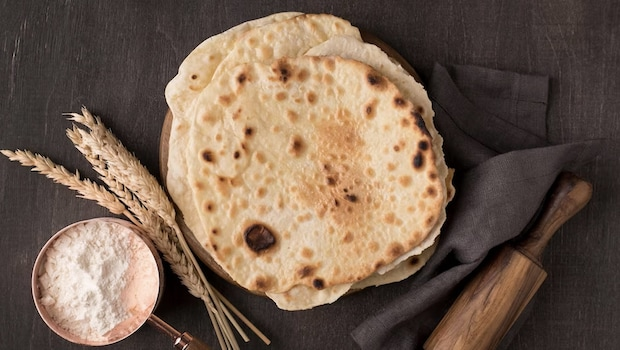
According to a 2018 study, roti, which is often cooked with whole wheat or multigrain flour, has a higher fiber content and digests more slowly. This gradual breakdown helps stabilize energy release and prolongs feelings of fullness. However, for many who prefer a lighter stomach before bed, roti might not always feel comfortable due to its heavier composition.
Why Nighttime Digestion Is Important
Dinners that are heavy or complex may feel uncomfortable because metabolism normally slows down in the evening. It helps to eat lighter foods at night:
- Avoid acidity and bloating.
- Encourage sound sleep.
- Encourage improved absorption of nutrients.
- Prevent cravings in the middle of the night.
For this reason, when preparing dinner, the roti vs. rice argument frequently comes up.
The Impact of Roti on Nighttime Digestion
According to a 2018 study, roti, which is often cooked with whole wheat or multigrain flour, has a higher fiber content and digests more slowly. This gradual breakdown helps stabilize energy release and prolongs feelings of fullness. However, for many who prefer a lighter stomach before bed, roti might not always feel comfortable due to its heavier composition.
The Advantages of Rice Meals at Night
- Fast absorption and easy on the stomach.
- Helps increase serotonin levels, which aid in bodily relaxation.
- Ideal for people with low levels of activity or those who eat dinner early.
However, rice digests quickly, so if you eat dinner early, you can feel hungry again sooner. Balance can be achieved by serving rice with lean protein, veggies, or dal. However, eating a lot of rice, especially with foods high in calories, can make you gain weight.
At night, a direct comparison between roti and rice
Here is a concise explanation of the differences between rice and roti when consumed at night:
| Nutrition |
Roti |
Rice |
| Calories & Carbohydrates | Almost equal to rice in calories and carbohydrate content | Almost equal to roti in calorie and carbohydrate content |
| Fibre Content | High in fibre, digests slowly, keeps you full for hours | Low in fibre, digests quickly, may leave you hungry sooner |
| Glycaemic Index (GI) | Similar GI to rice, helps regulate blood sugar when eaten in moderation | Similar GI to roti, but portion size matters for blood sugar control |
| Iron & Nutrients | Good source of iron; multigrain rotis add extra nutrients | Contains similar levels of iron; nutrients vary with variety (white, brown, red) |
| Satiety & Sleep | Keeps hunger away for long hours; better for late dinners | Light and easy to digest; supports better sleep quality |
| Lifestyle Match | Suitable for those with late dinners or higher evening activity | Suitable for those with early dinners, lighter appetite, or sedentary evenings |
Dinner Portion Control
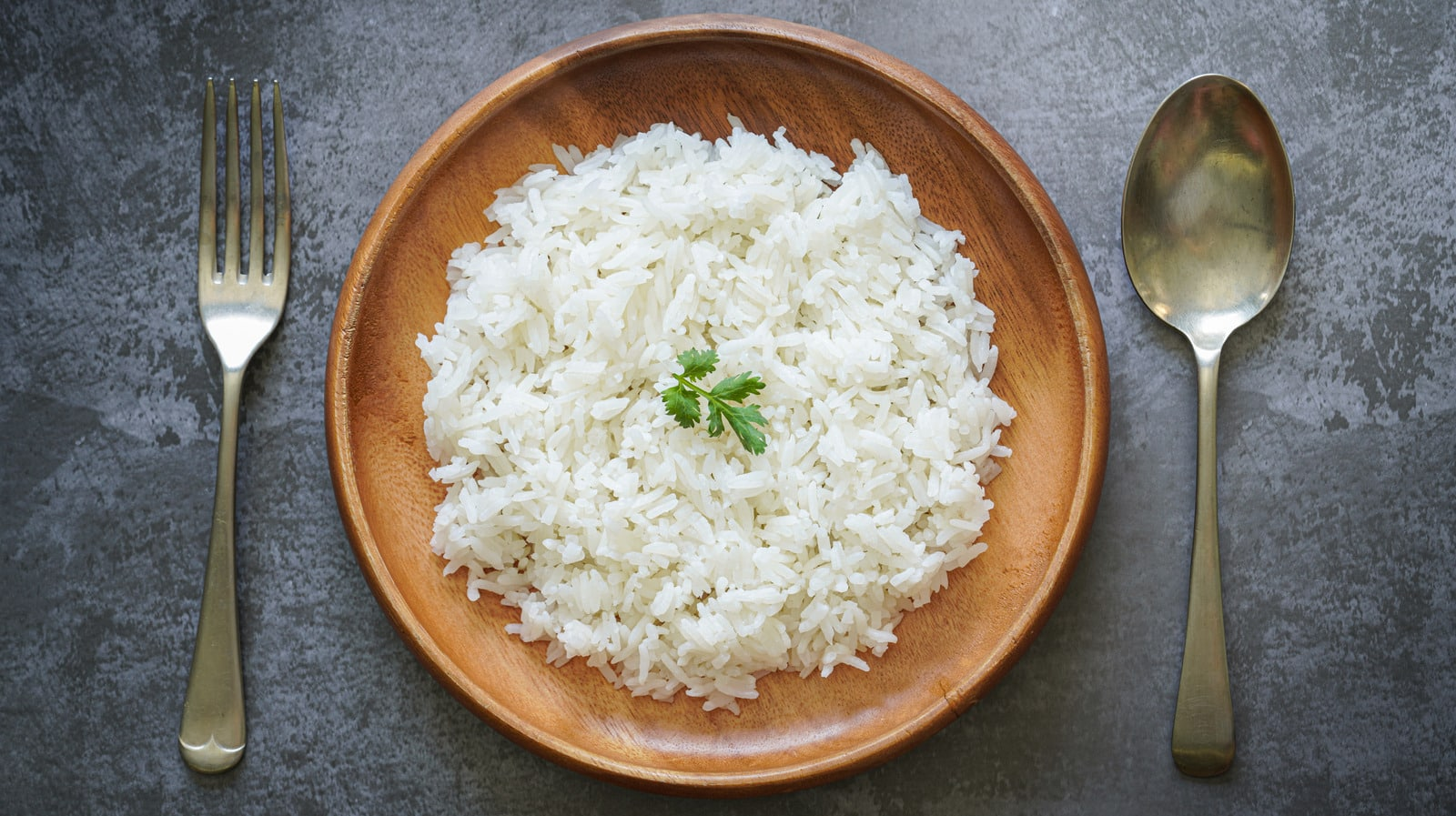
Portion size is important whether you eat roti or rice at night. It is commonly accepted that a balanced dinner consists of one small katori of rice with protein and greens, or two medium rotis with veggies and dal. Heaviness and excessive calorie intake are the results of overeating, especially if you are not very active in the evening.
The Greatest Dinnertime Combinations with Roti and Rice
It is beneficial to combine rice or roti with the appropriate foods to enhance nutritional content and digestion:
- With Rice: To boost protein, serve with paneer, fish, curd, or dal. For fiber, including steamed or sautéed veggies.
- With Roti: Serve with lean protein, dal, or mild sabzi. Another excellent combination for calming digestion is curd.
- Steer clear of: Preparations with a lot of ghee, fried accompaniments, or thick gravies, as these can slow digestion and interfere with sleep.
As long as you watch portion sizes, rice and roti make equally good supper options when combined in balanced ways.
Read More: Not Vitara or Hyryder, Cheapest Hybrid SUV Revealed

|
|
 Facebook Page Facebook Page |
Click Here |
| Twitter |
Click Here |
| Instagram |
Click Here |